
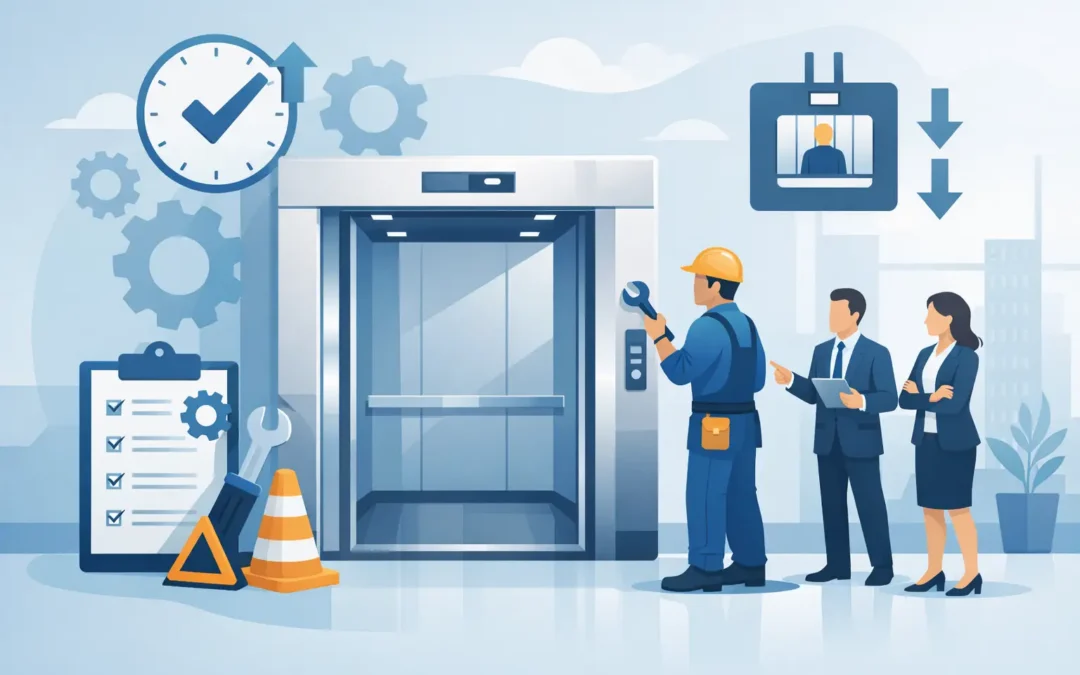
A lift that quits in the middle of a shift does more than create a repair bill. It stops picks, delays trucks, ties up labor, and can leave a crew waiting on a jobsite. The best ways to prevent lift downtime are not complicated, but they do require consistent attention before a small issue turns into a no-start, hydraulic failure, or safety shutdown.
For warehouse managers, contractors, and fleet supervisors, the goal is simple: catch wear early, keep operators accountable, and get qualified service involved before equipment fails under load. That approach costs less than reacting to a breakdown at the worst possible time.
Start Every Shift With a Real Inspection
Pre-shift inspections are the first line of defense. They are also often rushed, pencil-whipped, or skipped when production is behind. That is how a minor leak, damaged connector, worn tire, or weak battery becomes an out-of-service lift.
Operators should walk around the machine before starting work and report defects immediately. On forklifts, that means checking forks, mast chains, tires, hydraulic hoses, lights, alarms, steering, brakes, and visible fluid leaks. On scissor lifts and boom lifts, add guardrails, platform controls, emergency lowering functions, wheels, harness points, and boom or scissor-arm components.
The inspection needs to be specific enough to find problems, not just confirm that a form was completed. A note such as “machine sounds bad” is hard to act on. “Right front drive tire is separating” or “mast lowers slowly after 10 minutes of operation” gives maintenance a useful starting point.
Do not allow a known safety defect to stay in service because the lift is still moving. A machine that can operate is not necessarily a machine that is safe or reliable enough to finish the shift.
Treat Electric Lift Batteries as a Maintenance Item
Electric forklifts are productive, clean, and well suited to indoor work, but their batteries and electrical systems need disciplined care. Poor charging habits are one of the most common causes of avoidable downtime.
Charge batteries according to the manufacturer’s requirements and use the correct charger for the battery type. Do not run lead-acid batteries deep into discharge day after day, then expect full shift performance. Avoid interrupting charge cycles without a reason, and make sure battery watering is handled on the proper schedule. Low electrolyte levels can damage cells, shorten battery life, and lead to weak performance when the operation needs the lift most.
Keep battery compartments, connectors, and cable ends clean and dry. Corrosion, heat damage, loose connections, and cracked cables can create intermittent faults that are frustrating to diagnose and easy to overlook. If operators report slow travel, reduced lift speed, repeated low-charge warnings, or a charger that does not complete its cycle, address it early.
Lithium-ion fleets have different needs. They generally require less routine battery maintenance, but charging practices, software alerts, connectors, and thermal conditions still matter. Do not assume a lithium battery eliminates the need for inspection or qualified electrical service.
Fix Small Problems Before They Become Major Repairs
Most lift failures give warning signs. The mistake is treating those signs as normal until the machine stops completely.
Hydraulic leaks, drifting cylinders, squealing drive motors, steering play, hard braking, intermittent fault codes, slow lifting, and unusual vibration should trigger a repair request. Waiting may feel like a way to avoid taking a unit out of service. In reality, it often turns a short repair into a larger parts-and-labor expense.
Hydraulic issues are a good example. A hose seep may be a simple correction. Continued operation can lower fluid levels, contaminate components, damage pumps, and create a slip hazard. The same logic applies to worn tires. Replacing tires before they fail helps protect stability, traction, floor surfaces, and other drivetrain components.
Give operators a clear reporting process and make it easy to use. If reporting a problem means hunting down three supervisors, defects will go unreported. A simple tag-out procedure, a shared inspection log, or a direct call to the maintenance contact keeps problems moving toward repair.
Build Preventive Maintenance Around Actual Use
Calendar-based service is useful, but hours of operation tell a more accurate story. A forklift used across two shifts in a busy distribution center will need attention sooner than the same model used a few times a week in a small warehouse. A boom lift operating outdoors around dust, mud, and uneven ground faces different wear than one used inside a finished facility.
A practical preventive maintenance plan should account for machine hours, load demands, operating environment, age, and repair history. It should include fluid and filter service where applicable, lubrication, brake checks, tire condition, chain and mast inspection, hydraulic inspections, battery service, electrical testing, and review of safety devices.
Keep service records for every unit. Track recurring codes, repeat repairs, parts replaced, battery performance, and out-of-service time. That record helps identify a machine that is becoming expensive to keep running. It also gives the service technician better information, which speeds diagnosis.
There is a trade-off. Pulling a lift from service for scheduled maintenance can feel inconvenient during a busy week. But planned downtime is controlled. Unplanned downtime happens when you have a trailer at the dock, a production line waiting, or a crew stranded without access equipment.
Train Operators to Protect Uptime
Operator behavior has a direct effect on repair frequency. Hard impacts, overloaded forks, curb strikes, charging shortcuts, ignored warning lights, and improper shutdown procedures all shorten equipment life.
Training should cover more than basic certification. Operators need to understand the specific machines in their fleet and the work conditions they face. Review load capacity, battery charging rules, daily inspection expectations, ramp and dock practices, use of attachments, and what to do when a fault appears.
Make sure operators know they will not be punished for taking an unsafe lift out of service. If production pressure encourages people to keep running damaged equipment, downtime will eventually get worse and safety risk will rise with it.
For aerial lifts, reinforce ground conditions, slope limits, overhead hazards, platform capacity, and emergency procedures. A lift that is abused or operated outside its limits may not fail immediately. It may simply accumulate damage until the next crew inherits the problem.
Keep the Right Parts and a Backup Plan
Not every operation needs shelves full of parts. But high-use fleets should identify common wear items and failure points that could stop work. Depending on the equipment, that may include tires, forks, hoses, contactors, fuses, connectors, batteries, chargers, filters, and critical safety switches.
Stocking parts has a cost, so focus on the items that have a history of causing delays or that are hard to source quickly. Review past repair records instead of guessing. If a specific unit repeatedly needs a certain part, keeping one available may prevent days of lost production.
Also plan for equipment coverage. If one forklift goes down, can another unit safely handle the work? If a boom lift is needed for a scheduled job, is there a rental option or alternate machine available? A backup plan does not replace maintenance, but it limits the operational damage when an unexpected failure occurs.
Use a Technician Before the Breakdown Becomes Urgent
Some repairs require more than an in-house check. Electrical faults, hydraulic failures, controller issues, battery problems, mast repairs, and aerial lift safety concerns need an experienced technician with the right diagnostic equipment.
The fastest repair is often the one that starts before the lift is completely dead. Calling when a unit has intermittent faults, abnormal performance, or repeat alarms gives the technician a chance to diagnose the root cause without an emergency shutdown hanging over the operation.
When you need field service, provide the machine make, model, serial number, hour reading, fault codes, and a clear description of symptoms. A short video of an intermittent issue can also save time. Good information helps the technician arrive prepared and reduces back-and-forth.
CSC Forklift Repair focuses on fast, technician-led support for electric forklifts and lift equipment because waiting through a sales chain does not get a machine running. Direct access, accurate diagnosis, and fair repair decisions matter when every idle hour costs money.
Make Uptime Someone’s Job
Lift reliability improves when ownership is clear. Assign responsibility for inspections, service scheduling, defect reporting, and repair approval. In a small operation, that may be one manager. In a larger fleet, it may be a maintenance supervisor working with shift leads and operators.
Review downtime monthly. Look at which machines were down, why they failed, how long repairs took, and whether the same issue keeps returning. That process will show whether the real problem is missed inspections, operator damage, battery care, delayed approvals, aging equipment, or poor parts availability.
The best maintenance program is not the one with the most paperwork. It is the one that keeps your lifts safe, available, and ready when the shift starts. Handle the warning signs early, and your team spends more time moving product or getting work done instead of waiting on a repair.